An MRI scan, or magnetic resonance imaging scan, is a diagnostic tool used to produce detailed images of the body. This type of imaging uses magnetic fields and radio waves to create a detailed image of the structure and function of internal organs and other soft tissues. Thanks to its ability to capture detailed images with little risk or discomfort, MRI scans are widely considered to be one of the most accurate and effective forms of medical imaging currently available. Whether you are undergoing a routine screening or being evaluated for a specific condition, an MRI scan can provide valuable information about your health and help your doctor diagnose your condition more precisely.

scans completed

MRI Scans

Years of Trust
4.7/5

₹ 3250
₹ 3250
₹ 4950
₹ 4950
₹ 3350
₹ 3350
₹ 4500
₹ 4500
₹ 3350
₹ 3350
₹ 3350
₹ 3350
₹ 3350
₹ 3350
₹ 4500
₹ 4500

MRI detects and diagnoses health problems at an early stage
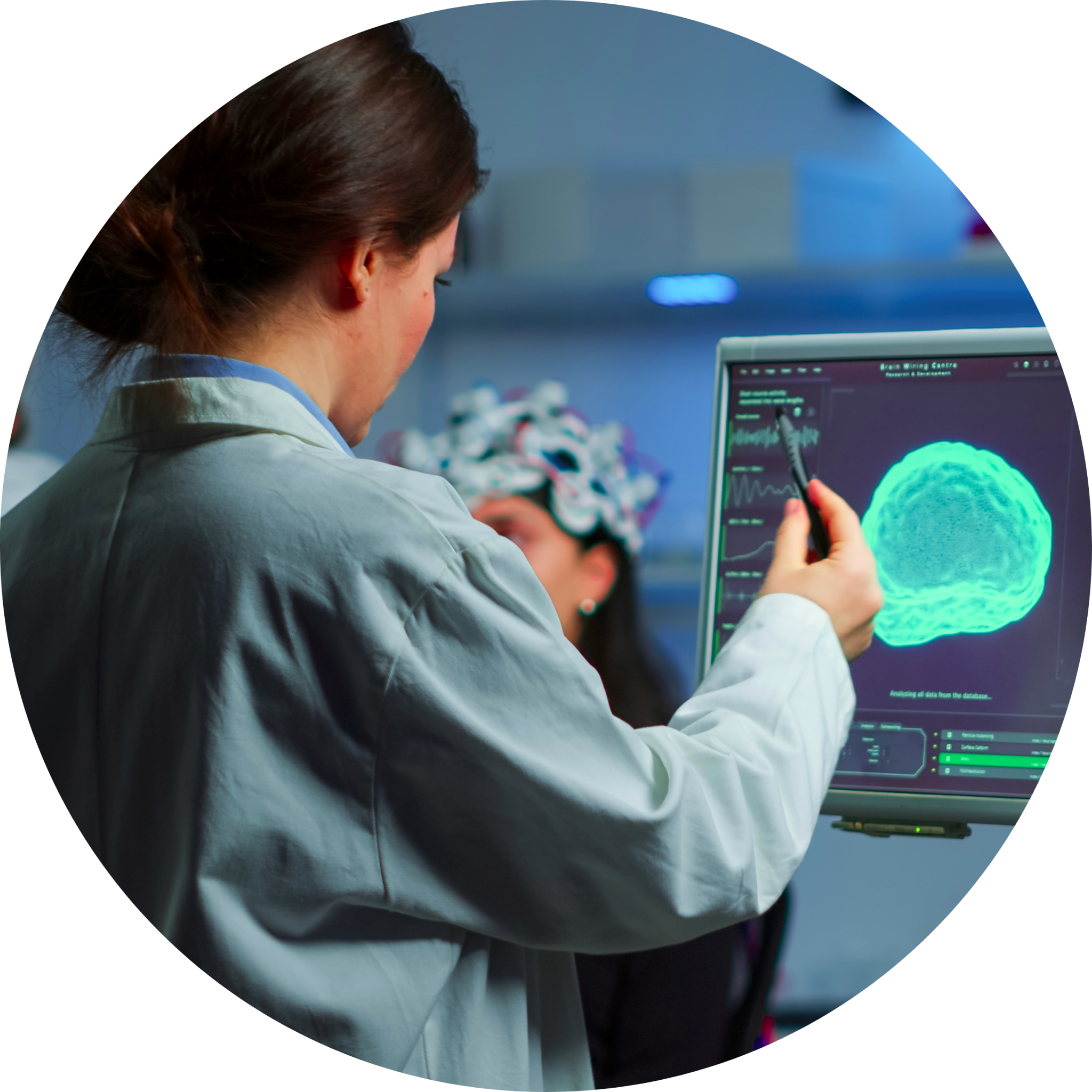
MRI Scans provide high-resolution images that can help your doctor make an accurate diagnosis.
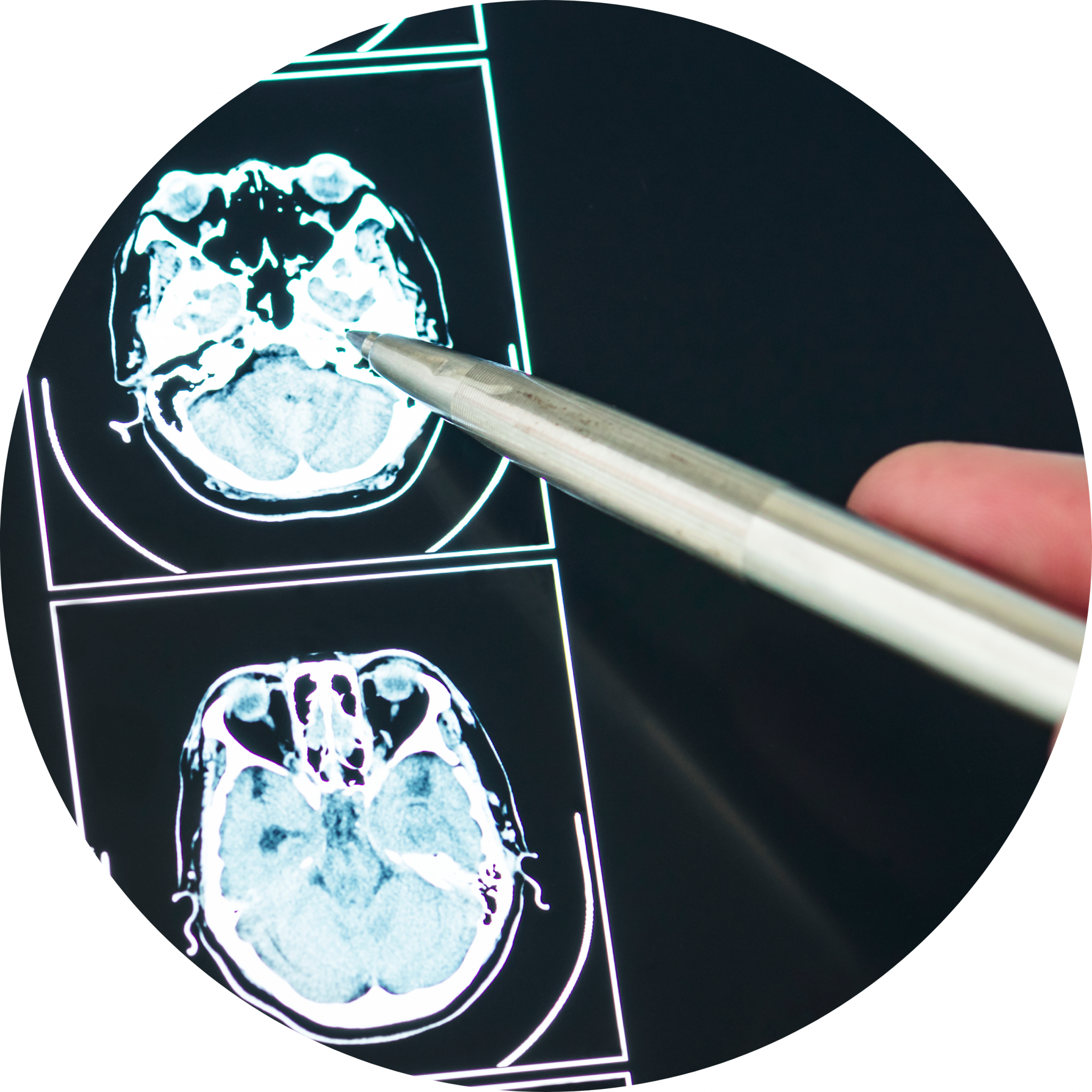
MRI Scanning can be used to identify tumours, cysts, and other abnormalities in any area of the body.
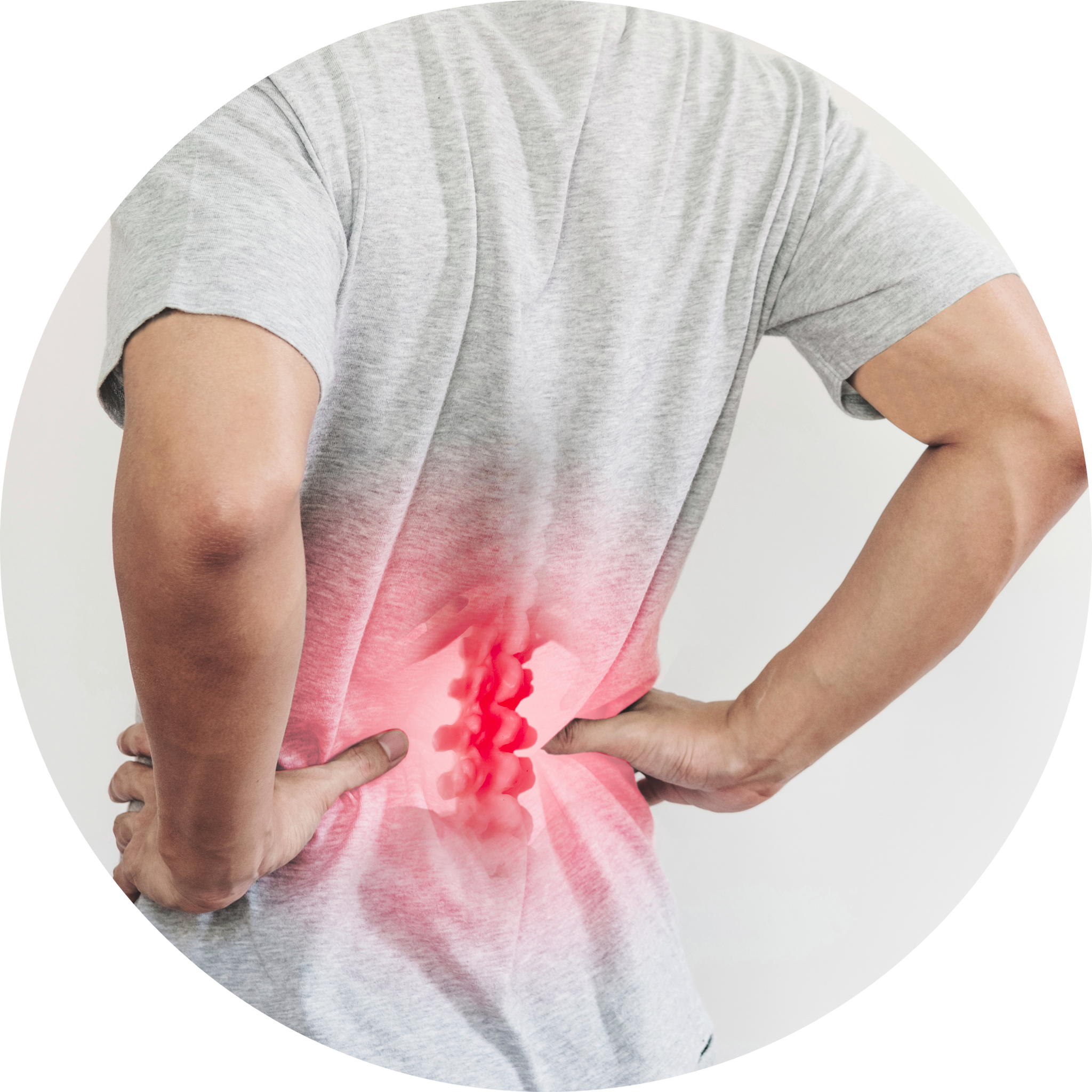
MRI Scanning is the most accurate diagnostic tool available for diagnosing and treating diseases of the brain, spine,and musculo skeletal system.

Both MRIs and CT scans can view internal body structures. However, a CT scan is faster and can provide pictures of tissues, organs, and skeletal structure. An MRI is highly adept at capturing images that help doctors determine if there are abnormal tissues within the body. MRIs are more detailed in their images.
Risks of the Procedure Because radiation is not used, there is no risk of exposure to radiation during an MRI procedure. However, due to the use of the strong magnet, MRI cannot be performed on patients with: Implanted pacemakers. Intracranial aneurysm clips.
On the day of your MRI scan, you should be able to eat, drink and take any medication as usual, unless you're advised otherwise. In some cases, you may be asked not to eat or drink anything for up to 4 hours before the scan, and sometimes you may be asked to drink a fairly large amount of water beforehand.
Risks of the Procedure Because radiation is not used, there is no risk of exposure to radiation during an MRI procedure. However, due to the use of the strong magnet, MRI cannot be performed on patients with: Implanted pacemakers.
On the day of your MRI scan, you should be able to eat, drink and take any medication as usual, unless you're advised otherwise. In some cases, you may be asked not to eat or drink anything for up to 4 hours before the scan, and sometimes you may be asked to drink a fairly large amount of water beforehand.
MRI allows to assess the soft tissue and bone marrow involvement in case of inflammation and/or infection. MRI is capable of detecting more inflammatory lesions and erosions than US, X-ray, or CT. Standard scintigraphy plays a crucial role, and data from positron emission tomography (PET) are also promising.
MRI can provide better information about the eye in the context of the orbit than any other ocular imaging device. This allows detection of the etiology of ocular abnormalities related to primary orbital pathologies (2,4–7).
Benefits of an MRI MRI is the most effective way to diagnose problems within any joint and the image sensitivity makes it the most accurate imaging tool available in detecting arthritis and other inflammatory changes.

NABH & NABL Accredited
Available Services
0141-5163700
hello@domainsite.com
Copyright 2024 © All Right Reserved.